Updated essential CHNA guide available here.
For hospitals, the question arises every three years: How can we conduct a Community Health Needs Assessment that delivers more insight for better population health with less burden? Allocating appropriate resources and finding the bandwidth and expertise to execute a fully compliant CHNA is a challenge — particularly for first-time submissions or during strategic transitions.
As hospitals prepare for their next CHNA, the following information can guide strategies to maximize assessment tools, metrics and analyses — all for better interventions and outcomes. And, if you want to know all the components, our essential Community Health Needs Assessment (CHNA) guide provides a comprehensive overview of the CHNA, including its purpose, requirements, data analysis and examples.
It’s difficult for hospitals to achieve efficiencies of scale for a process like CHNA that only occurs every three years. That’s why insight from experts consistently examining the process of CHNA year-round is so valuable. DataGen’s CHNA Advantage™ makes your assessment more robust without requiring additional staff or resources.
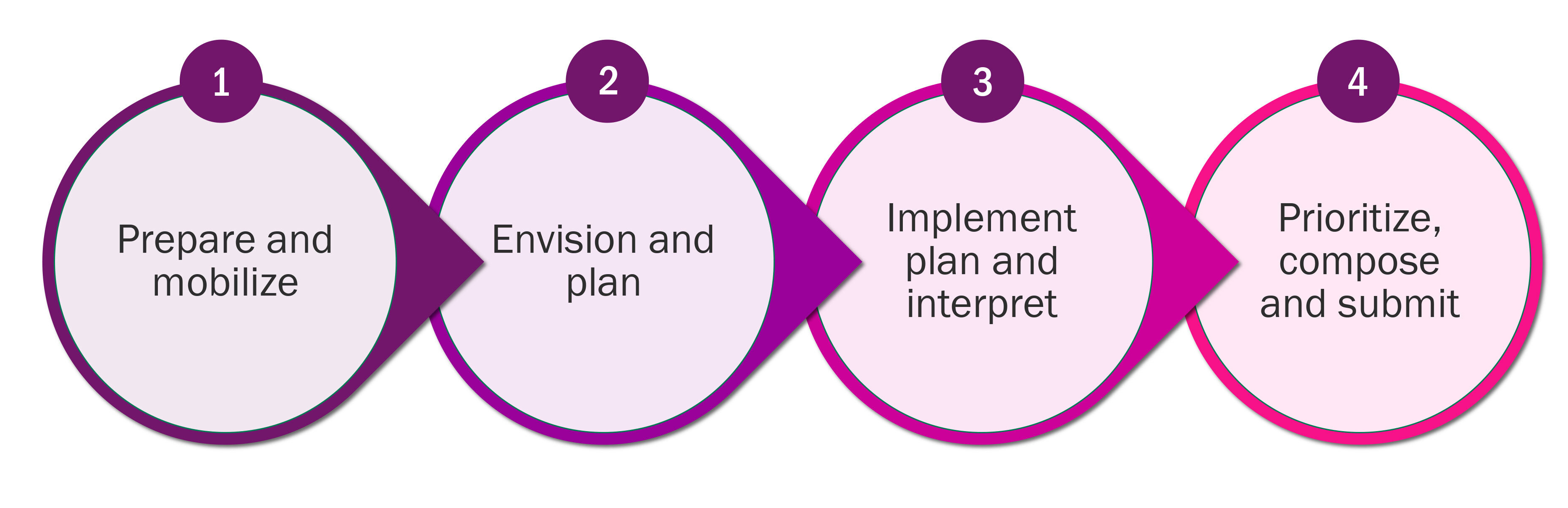
CHNA Advantage’s turnkey tools and metrics apply to four phases of the assessment process:
DataGen’s approach facilitates collaboration and information-gathering from local residents, health departments and community-based organizations for a CHNA submission that fully complies with federal and state requirements.
Beyond CHNA must-haves, hospitals need a way to activate their data wish lists for better community outcomes. These categories include:
CHNA Advantage offers hospitals 200 metrics across more than 20 domains for the most robust CHNA possible. In addition to a hospital's own data, sources include County Health Rankings, CDC PLACES and Socially Determined, Inc. The latter incorporates social risk data and scores across six SDOH domains: finance, food, housing, transportation, health literacy, and digital.
It’s never too early to start thinking about your next CHNA. A new process combined with new data can help deliver a new standard of care.